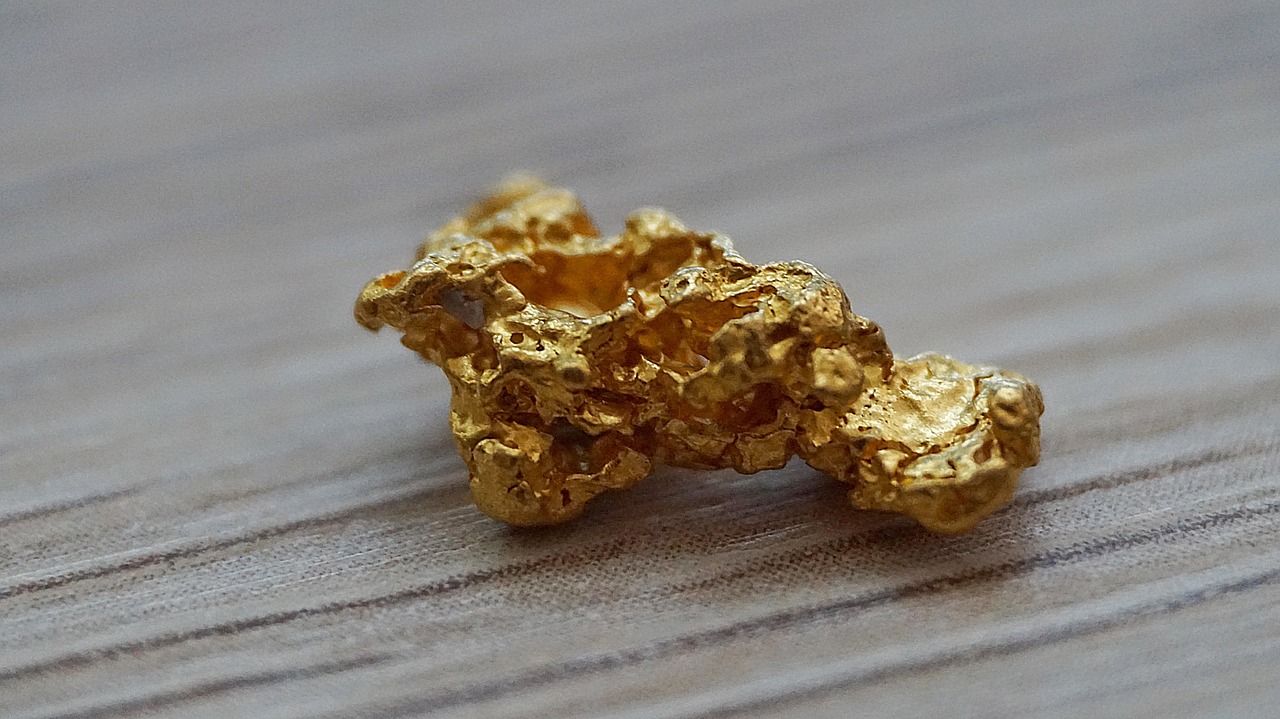
How To Become A Legal, Licensed Miner In Ghana, step-by-step guide
Becoming a legally licensed miner in Ghana requires following a specific legal and regulatory framework established by the government to regulate mineral exploration and mining activities. If you are looking to become a legal, licensed miner in Ghana, here’s a step-by-step guide to the process:
- Understand the Legal Framework
To mine legally in Ghana, you must adhere to the country’s Minerals and Mining Act, 2006 (Act 703), which outlines the rules for mineral exploration, extraction, and management in Ghana. The Ministry of Lands and Natural Resources (MLNR) is the central body responsible for regulating and overseeing the mining sector.
- Types of Mining Licenses
Before applying for a license, it’s important to know the different types of mining licenses available. They include:
- Reconnaissance License: This is for initial exploration activities and allows you to conduct preliminary surveys of an area to assess its mineral potential.
- Prospecting License: A prospecting license is needed to conduct more detailed exploration work, including drilling, testing, and sampling to determine the viability of mining in a given area.
- Mining Lease: If you intend to start large-scale mining, you will need a mining lease, which grants the right to extract minerals from a designated area. A mining lease is typically granted for a period of 15 years, and it can be renewed.
For small-scale mining, you would need to apply for a small-scale mining license. There are also specific licenses for artisanal mining.
- Meet Eligibility Requirements
To apply for a mining license in Ghana, you need to meet several key eligibility criteria:
- Ownership of Land or Agreement with Landowner: You must either own the land you intend to mine or have an agreement with the landowner for the rights to mine on their land. In Ghana, the government owns all minerals under the land, but you must have the right to mine the land.
- Capital and Financial Capacity: For large-scale mining, you must demonstrate adequate financial resources to fund exploration and extraction activities.
- Environmental Compliance: You must comply with Ghana’s environmental laws and demonstrate that you will take steps to minimize the environmental impact of your mining activities. A Environmental Impact Assessment (EIA) is required to evaluate the environmental consequences of your proposed mining activities.
- Good Standing: Applicants must not have any legal issues or violations related to mining or any other relevant matters.
- Obtain Necessary Documents
To apply for a mining license, you will need to prepare and submit various documents, including:
- Application Form: Obtain and complete the application form for a mining license from the Minerals Commission of Ghana.
- Environmental Impact Assessment (EIA): For large-scale mining, you will need to submit a detailed EIA, which evaluates the environmental risks and proposed mitigation measures.
- Proof of Land Ownership or Agreement: You will need to provide proof of ownership or a mining lease agreement with the landowner.
- Business Registration Documents: You must provide your company’s registration documents from the Registrar General’s Department to prove that you are a legally registered entity.
- Financial Documents: Demonstrate that you have the financial capacity to carry out the mining operations.
- Submit Application to the Minerals Commission
Once you have gathered all the necessary documents, submit your application to the Minerals Commission. The Commission is the main regulatory body that handles mining licenses in Ghana.
- The Minerals Commission will review your application, conduct checks, and assess the area’s mineral potential.
- For large-scale mining, the review process includes an evaluation of your technical, environmental, and financial capability to conduct mining.
- Small-scale miners can apply through the Small-Scale Mining Secretariat under the Ministry of Lands and Natural Resources.
- Obtain the Mining License
After reviewing your application and conducting necessary investigations, including land inspections and the evaluation of environmental impacts, the Minerals Commission will grant a mining lease or small-scale mining license if your application is approved.
- For small-scale mining, you may be required to show that you have met specific regulations regarding the scale of operations, equipment, safety protocols, and environmental protection.
- If granted, you will be issued a mining lease, which gives you the legal right to mine minerals within a defined area.
- Pay the License Fees
Once approved, you will be required to pay a license fee. The fee varies based on the type of license (small-scale, large-scale) and the area to be mined. The Minerals Commission will provide details on the payment structure and other associated costs.
- Comply with Ongoing Legal Requirements
After obtaining your mining license, you must comply with various regulations and obligations, including:
- Environmental Compliance: You must continue to adhere to the terms of your Environmental Impact Assessment (EIA) and ensure that your mining activities do not violate environmental laws.
- Royalty Payments: As a licensed miner, you are required to pay royalties to the government. The standard royalty rate for gold mining is 5% of the total revenue from mined minerals.
- Regular Reporting: You may be required to submit regular reports to the Minerals Commission regarding your mining activities, including production levels, safety standards, and environmental management.
- Continuous Monitoring and Auditing
The Minerals Commission and other regulatory bodies will regularly inspect and audit mining operations to ensure compliance with safety, environmental, and operational standards. Failure to comply with these regulations can result in penalties, fines, or the revocation of your mining license.
- Small-Scale Mining (Artisanal Mining)
For small-scale miners (artisanal miners), the process is somewhat different but still requires legal procedures to ensure safe and sustainable practices. Here’s how you can become a legal small-scale miner:
- Apply to the Small-Scale Mining Secretariat for a license.
- Show proof of land ownership or a contractual agreement with the landowner.
- Ensure environmental management practices are in place (small-scale miners also need an EIA).
- Comply with the national laws regulating small-scale mining activities.
Important Note: Illegal mining, known as galamsey, is a serious problem in Ghana, and the government has implemented stringent measures to curb it. If you plan to engage in mining, it is critical to adhere to the legal framework to avoid penalties and damage to the environment.
If you want more details on any particular step or need further guidance on how to navigate the process, feel free to ask!


