Comprehensive Strategies for Malaria Control and Elimination in Africa
Introduction: Malaria remains a significant public health challenge in Africa, contributing to a substantial burden of disease and economic loss. While progress has been made in recent years, the continent still accounts for the majority of global malaria cases and deaths. Addressing this issue requires a multi-faceted approach that combines prevention, treatment, research, and community engagement. In this article, we will explore comprehensive strategies that Africa can adopt to effectively deal with malaria.
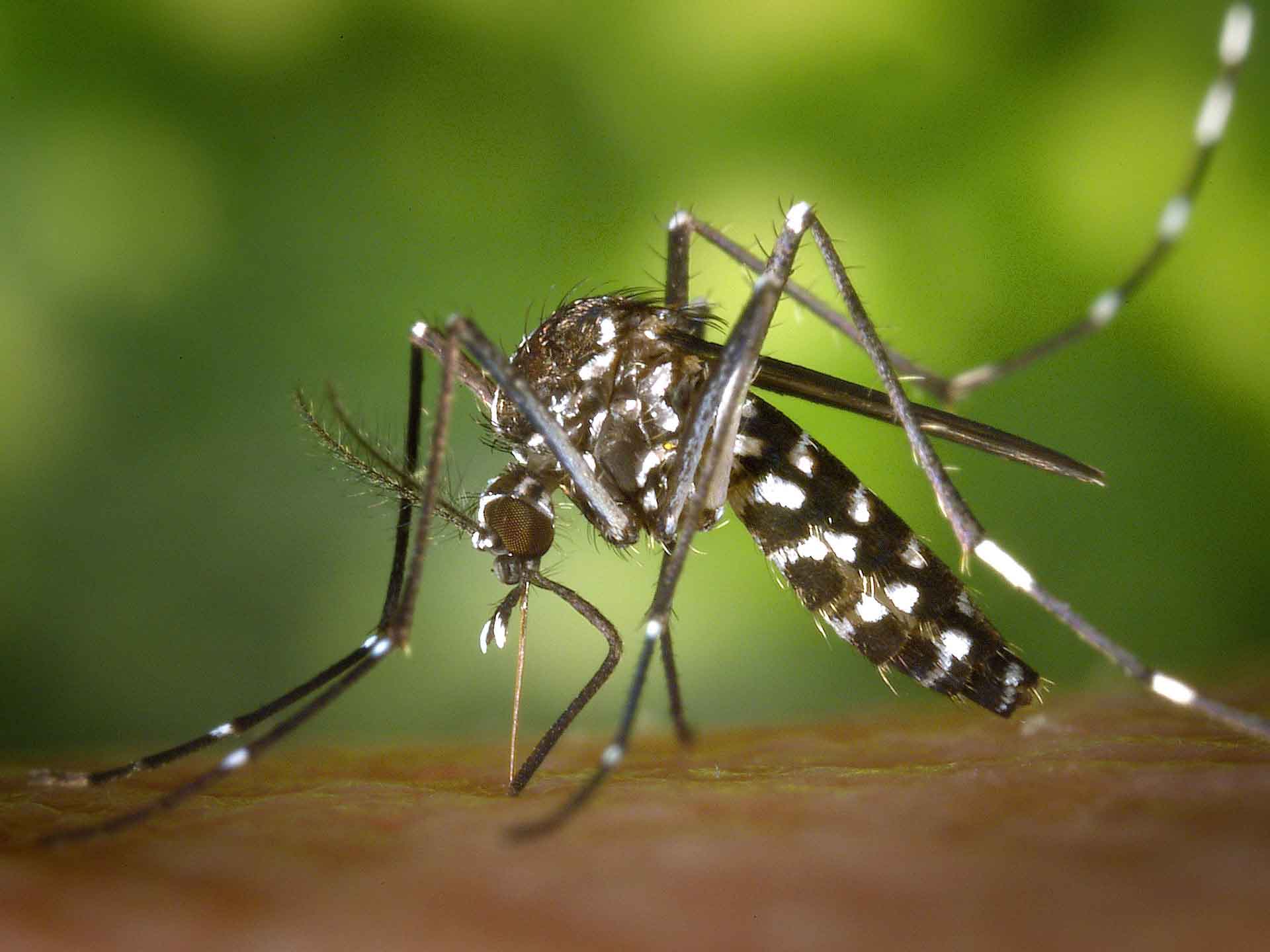
- Vector Control: Malaria is primarily transmitted through the bite of infected female mosquitoes. Effective vector control measures, such as insecticide-treated bed nets (ITNs) and indoor residual spraying (IRS), have proven to reduce mosquito-human contact and subsequent infections. Expanding the distribution and usage of ITNs, especially in high-risk areas, can significantly decrease transmission rates.
- Improved Diagnosis and Treatment: Early diagnosis and prompt treatment are crucial in reducing malaria-related deaths. Access to accurate diagnostic tools, like rapid diagnostic tests (RDTs), can enable timely treatment, preventing severe illness and complications. Affordable and widely available antimalarial medications, including artemisinin-based combination therapies (ACTs), should be ensured to guarantee effective treatment.
- Research and Innovation: Investment in research is vital for the development of new tools and strategies. This includes developing vaccines to prevent malaria and novel methods to control mosquito populations. Collaborative efforts between African governments, international organizations, and the private sector can accelerate innovation in malaria control.
- Community Engagement and Education: Empowering communities with knowledge about malaria prevention and control can have a lasting impact. Health education campaigns can teach people how to recognize symptoms, use preventive measures, and seek treatment promptly. Community health workers can play a crucial role in disseminating information and ensuring adherence to preventive practices.
- Integrated Health Systems: Integrating malaria control efforts into broader health systems can improve overall healthcare delivery. This involves strengthening healthcare infrastructure, training healthcare workers to diagnose and treat malaria, and ensuring the availability of essential medications and supplies.
- Climate-Resilient Approaches: Climate change can impact the distribution of mosquitoes and the prevalence of malaria. Implementing climate-resilient strategies can help communities adapt to changing conditions. This includes designing infrastructure that prevents mosquito breeding and adopting early warning systems to predict outbreaks.
- Cross-Border Collaboration: Malaria knows no borders, and cooperation between neighboring countries is essential for successful control. Sharing best practices, coordinating surveillance efforts, and harmonizing treatment and prevention strategies can help prevent the spread of malaria across regions.
- Political Commitment and Funding: Strong political commitment at both national and international levels is crucial for sustaining malaria control efforts. Governments must allocate sufficient funds to support prevention, treatment, research, and community engagement programs. International donors and organizations should continue to provide financial and technical support.
- Data-Driven Decision Making: Collecting and analyzing accurate data is fundamental for effective malaria control. Surveillance systems can identify hotspots and trends, enabling targeted interventions. Data-driven decision-making can optimize resource allocation and improve the efficiency of control strategies.
- Empowering Research Institutions: African research institutions should be empowered to lead in malaria research. This includes providing funding, resources, and training to local researchers, allowing them to contribute valuable insights tailored to the continent’s specific challenges.
- Public-Private Partnerships: Collaboration between public and private sectors can amplify the impact of malaria control efforts. Private companies can contribute resources, technological expertise, and distribution networks to enhance the reach of interventions.
- Monitoring and Evaluation: Regular monitoring and evaluation of malaria control programs are essential to assess their effectiveness. This involves measuring key indicators, tracking progress, and making necessary adjustments to strategies based on real-time feedback.
Conclusion: Dealing with malaria in Africa requires a comprehensive and multi-pronged approach that encompasses prevention, treatment, research, education, and collaboration. By implementing these strategies, the continent can make substantial strides toward reducing malaria transmission, preventing deaths, and ultimately achieving malaria elimination. With sustained political commitment, financial investment, and community involvement, Africa can pave the way for a future free from the burden of malaria.


May I request that you elaborate on that? Your posts have been extremely helpful to me. Thank you!
Please provide me with more details on the topic
Thank you for your post. I really enjoyed reading it, especially because it addressed my issue. It helped me a lot and I hope it will also help others.
I’d like to find out more? I’d love to find out more details.
The articles you write help me a lot and I like the topic
I want to thank you for your assistance and this post. It’s been great.
Thanks for posting. I really enjoyed reading it, especially because it addressed my problem. It helped me a lot and I hope it will help others too.
Thanks for your help and for writing this post. It’s been great.
Thanks for your submission. I would also love to remark that the very first thing you will need to carry out is find out if you really need credit score improvement. To do that you will need to get your hands on a replica of your credit history. That should never be difficult, since the government necessitates that you are allowed to get one totally free copy of your credit report annually. You just have to consult the right individuals. You can either look at website with the Federal Trade Commission or perhaps contact one of the main credit agencies right away.