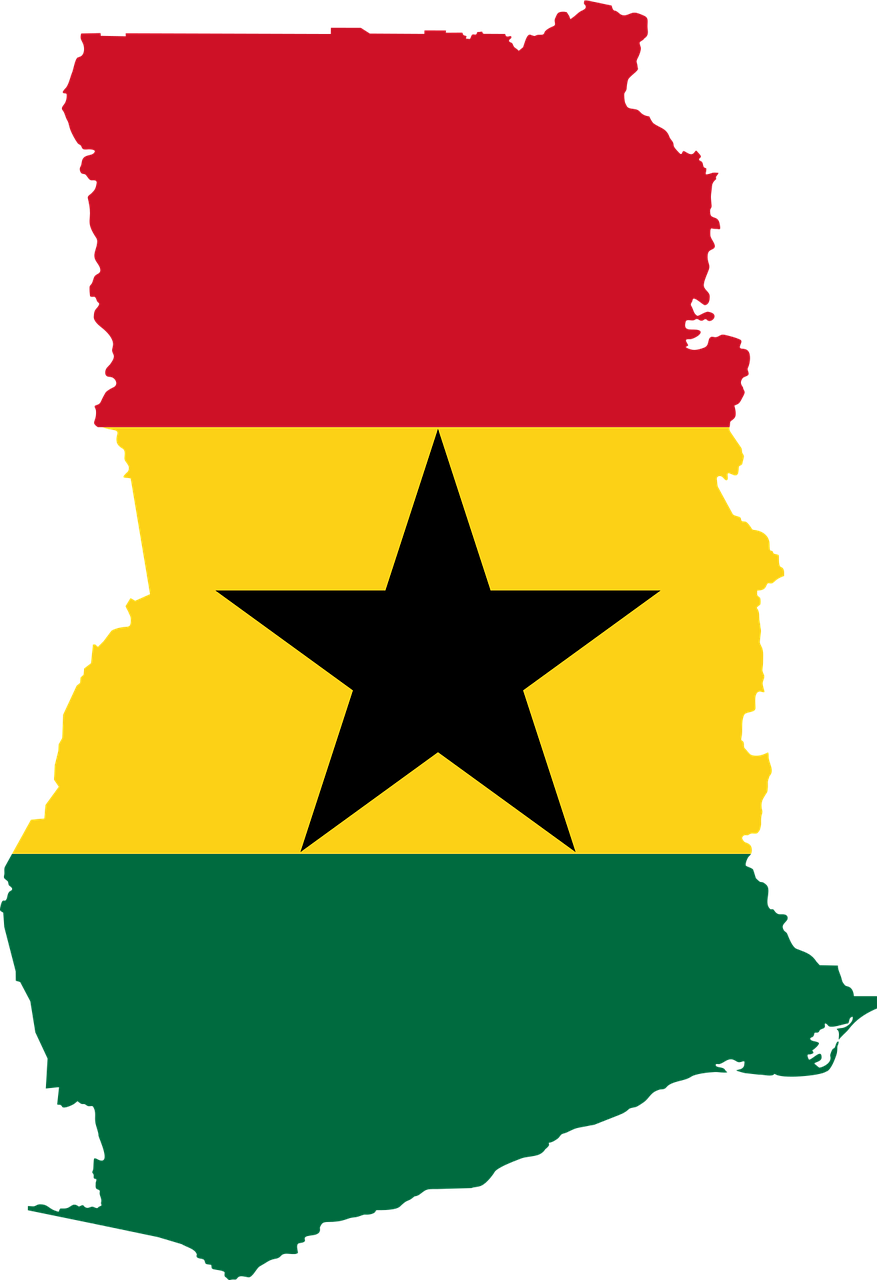
The Country Called Ghana – The Place To Visit
Ghana is a country located in West Africa, known for its rich history, diverse culture, and economic significance in the region. Here are some key points about Ghana:
Geography and Capital
- Location: Ghana is bordered by Côte d’Ivoire to the west, Burkina Faso to the north, Togo to the east, and the Gulf of Guinea to the south.
- Capital: Accra is the capital city and the largest city in Ghana. It’s an important cultural, political, and economic hub in the country.
History
- Ghana was the first country in Sub-Saharan Africa to gain independence from colonial rule, achieving independence from the United Kingdom on March 6, 1957. Kwame Nkrumah, Ghana’s first president, played a pivotal role in this movement and became a prominent figure in African liberation movements.
- The name “Ghana” was chosen to reflect the ancient Ghana Empire, which was located in what is now northeastern Mali and western Niger, although it was not geographically located in modern-day Ghana.
Language
- The official language of Ghana is English, which is used in government, education, and media. However, Ghana is a multilingual country, with many indigenous languages spoken. Some of the widely spoken languages include Twi, Ewe, Ga, and Dagbani.
Culture and Traditions
- Ghana is known for its vibrant culture, including music, dance, and art. Traditional music often involves drumming and rhythmic instruments, and Ghanaian dance is an integral part of cultural celebrations.
- Kente cloth, a brightly colored woven fabric, is one of Ghana’s most recognizable symbols. It is often worn during special occasions like weddings, graduations, and celebrations.
Economy
- Ghana has a mixed economy, and key sectors include agriculture, mining, oil, and services. The country is one of the world’s largest producers of cocoa and gold.
- Ghana is also known for its production of oil and natural gas, which has become a growing contributor to the economy.
- Tourism also plays an important role in Ghana’s economy, with people visiting for its historical sites (like the Cape Coast Castle, which was involved in the transatlantic slave trade), national parks, and beautiful beaches.
Politics and Government
- Ghana is a democratic republic with a multi-party political system. The President is both the head of state and the head of government, and there is a parliament that helps to legislate.
- Ghana has enjoyed relative political stability since the early 1990s, which has made it one of the more democratic countries in West Africa.
Cuisine
- Ghanaian food is varied, with a focus on grains, vegetables, and meats. Some popular dishes include:
- Jollof rice: A one-pot dish of rice cooked with tomatoes, onions, and a variety of seasonings.
- Banku and tilapia: Banku is a fermented corn and cassava dough, often eaten with grilled tilapia and a spicy pepper sauce.
- Fufu: A staple made from boiled cassava or plantains, which is pounded into a dough-like consistency and served with soups or stews.
Famous Landmarks
- Kakum National Park: Known for its canopy walkway, the park offers a beautiful natural experience with a variety of wildlife and tropical rainforests.
- Cape Coast Castle: A former slave trading post, it has become a historical site where visitors can learn about the impact of the transatlantic slave trade.
- Lake Volta: One of the world’s largest artificial lakes, it’s a hub for fishing and other water activities.
If you want more specific information about any part of Ghana, let me know! Whether it’s history, culture, or current events, I’d be happy to share more!


