15 Best Ideas To Eat Your Fruits And Veggies
This is one topic that needs no dancing around for too long, the goal is simply to to gain insight into different ways you can have your fruits and veggies to get. Good nutrition happens when food is consumed fresh and in the right way, the best way is to have a balanced and varied diet that includes a mix of different foods, including fruits, vegetables, whole grains, lean proteins, and healthy fats. Consulting with a registered dietitian or nutritionist can provide personalized guidance based on your specific dietary needs and goals, however;
the best way to eat fruits and vegetables can vary depending on personal preferences, dietary needs, and the specific types of produce you’re consuming. However, here are some general tips to help you make the most of your fruits and vegetables:
- Fresh and Raw: Eating fruits and vegetables in their raw, natural state can preserve their nutrients and flavor. Wash them thoroughly to remove any dirt or pesticides.
- Variety: Consume a wide variety of fruits and vegetables to ensure you’re getting a broad range of nutrients, vitamins, and minerals.
- Seasonal Choices: Opt for fruits and vegetables that are in season. They are often more flavorful, affordable, and packed with nutrients.
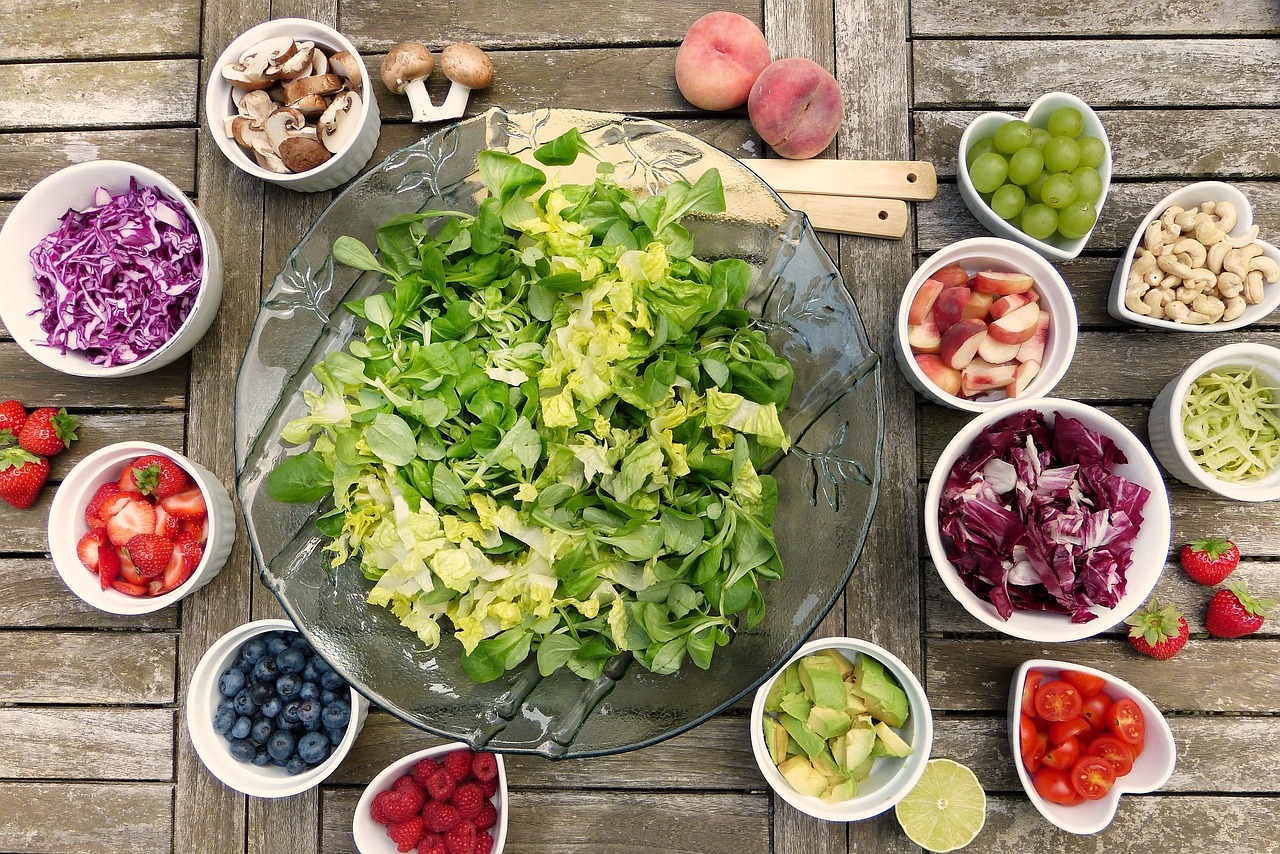
- Colorful Plate: Aim for a colorful plate that includes a variety of different colored fruits and vegetables. Different colors often indicate different nutrients and health benefits.
- Cooking Methods: While eating raw is great, some cooking methods can also be beneficial. Steaming, roasting, and lightly sautéing vegetables can enhance their flavors and make them easier to digest. Just be cautious not to overcook them to retain their nutritional value.
- Portion Control: Pay attention to portion sizes. While fruits and vegetables are generally healthy, consuming them excessively can still contribute to excess calorie intake.
- Smoothies: Blending fruits and vegetables into smoothies can be a convenient way to consume them. Just be mindful of added sugars and portion sizes.
- Salads: Create nutrient-rich salads with a mix of colorful veggies, lean proteins, healthy fats, and a variety of toppings.
- Snacking: Use fruits and vegetables as healthy snacks between meals. Keep pre-cut fruits and vegetables readily available for quick and easy snacking.
- Dips and Dressings: Pairing veggies with healthy dips (like hummus, yogurt-based dips, or nut butters) can make them more appealing and add flavor.
- Frozen Options: Frozen fruits and vegetables can be just as nutritious as fresh ones. They’re convenient and have a longer shelf life.
- Avoid Overcooking: Overcooking vegetables can lead to nutrient loss. Try to cook them until they are tender but still slightly crisp.
- Organic vs. Conventional: While organic produce might have fewer pesticides, both organic and conventional options can be part of a healthy diet. Focus on consuming a variety of fruits and vegetables.
- Mindful Eating: Take your time to enjoy the flavors, textures, and colors of the fruits and vegetables you’re eating. This can help you develop a greater appreciation for your food.
- Personal Preference: Ultimately, the best way to eat fruits and vegetables is in a way that you enjoy and that fits your lifestyle. Find preparation methods that make them appealing to you.


